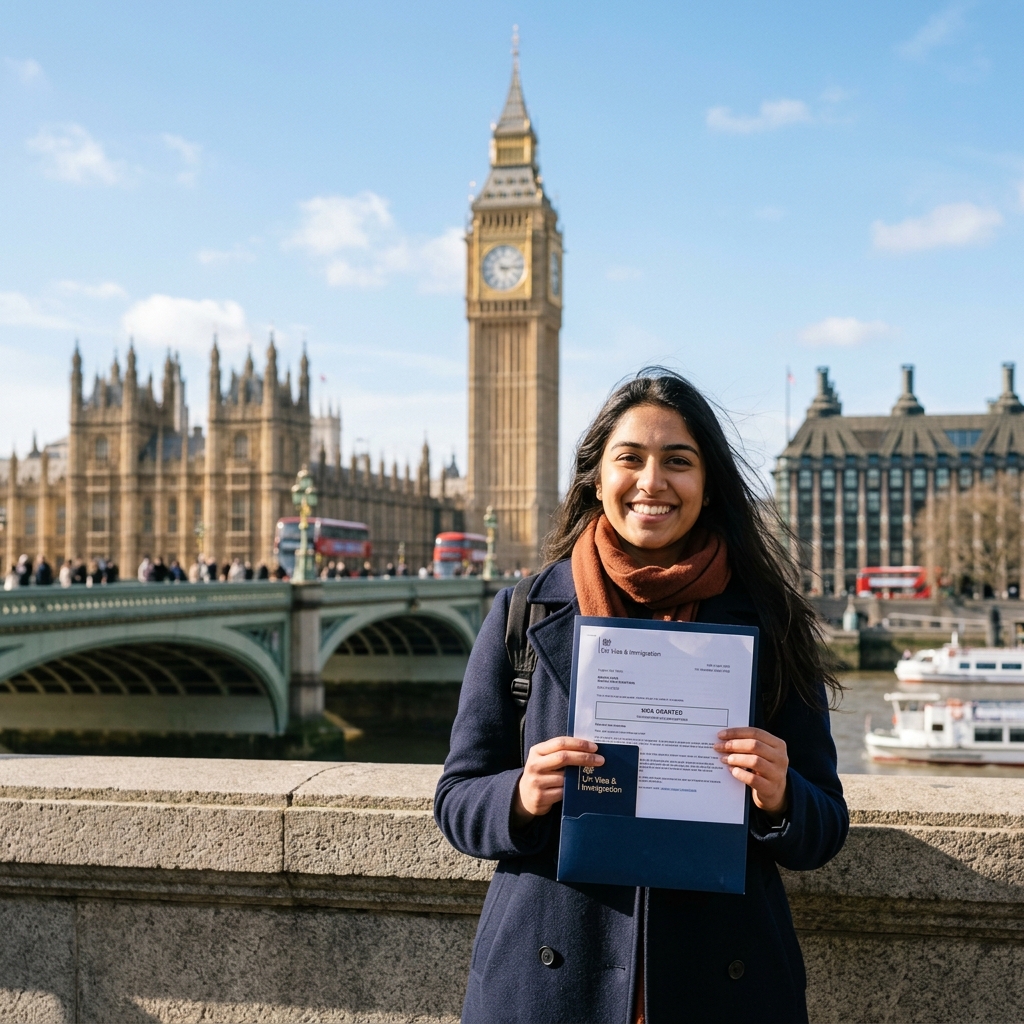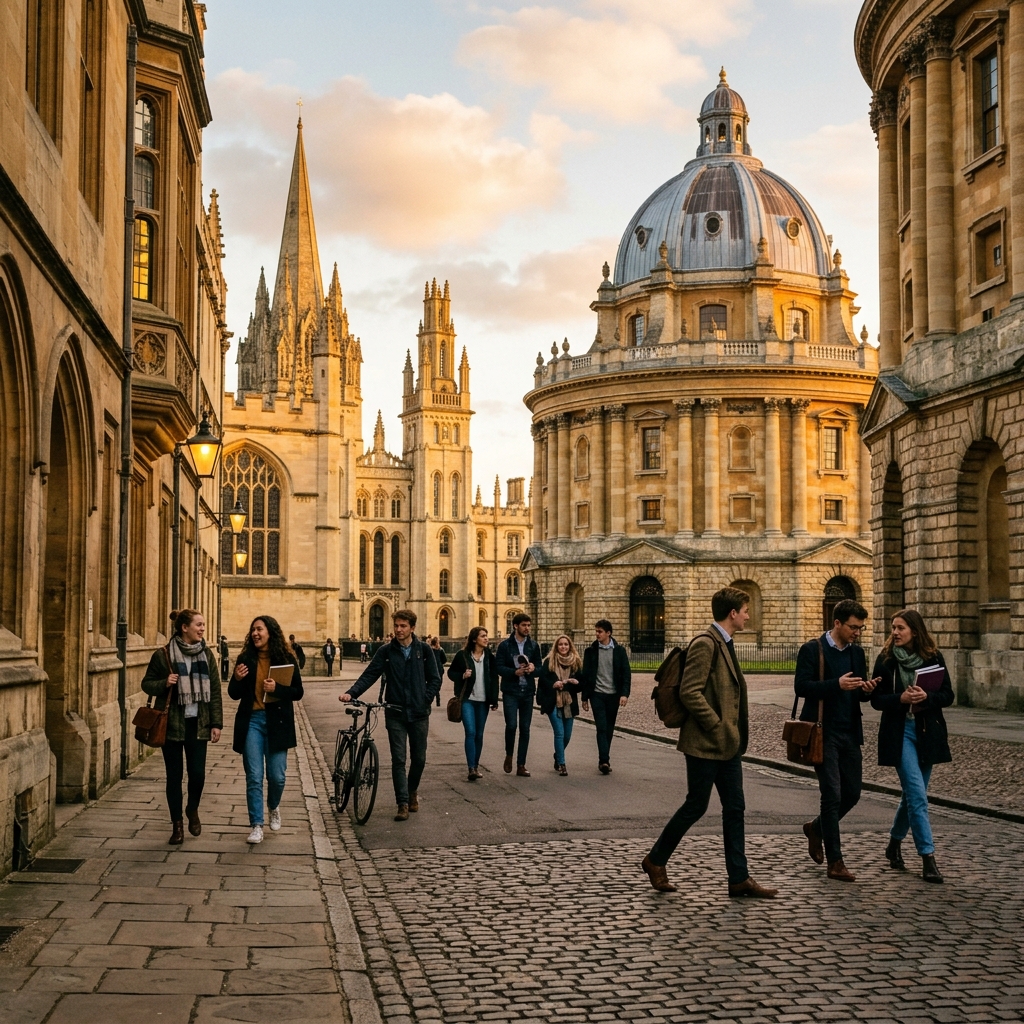

Why Choose the September 2026 Intake?
The September intake is the primary entry point for UK universities, offering the widest selection of courses, the best scholarship opportunities, and the most comprehensive student support. Nearly 80%% of all international students begin their UK journey in September, making it the most popular and well-supported intake of the year.
Whether you are applying for an undergraduate programme through UCAS or a postgraduate course directly through the university, September gives you access to virtually every course available across the UK’s 160+ universities. This is your best chance to secure a place at a Russell Group university or a specialist institution in your field.
Key Dates & Deadlines for September 2026
Planning ahead is essential. Here is your month-by-month timeline to stay on track:
- January – March 2026: Research universities and courses. Take your IELTS exam (aim for 6.0–6.5 overall). Start gathering academic transcripts and references.
- March – May 2026: Submit your UCAS application (undergraduate) or apply directly to universities (postgraduate). Write your personal statement or SOP with professional help.
- May – June 2026: Receive conditional or unconditional offers. Accept your preferred offer and pay any required deposits.
- June – July 2026: Meet any conditions (e.g., final exam results). Receive your CAS (Confirmation of Acceptance for Studies) from the university.
- July – August 2026: Apply for your Student Visa (Student Route). Attend your biometrics appointment. Prepare financial evidence.
- August – September 2026: Receive your visa. Book flights and arrange accommodation. Attend pre-departure briefing. Begin your UK adventure!
Eligibility Requirements
To study in the UK as an international student, you need to meet several key requirements:
Academic Qualifications: You must have completed your previous level of education with grades that meet the university’s entry requirements. For undergraduate courses, this typically means completing A-Levels or equivalent qualifications. For postgraduate courses, you need a relevant bachelor’s degree, usually with at least a 2:1 classification or equivalent.
English Language: Most universities require an IELTS Academic score of 6.0–6.5 overall, with no band below 5.5. Some courses, particularly in medicine, law, or journalism, may require higher scores. Alternative tests such as TOEFL iBT and PTE Academic are also accepted by many institutions.
Financial Requirements: You must demonstrate you can cover your tuition fees plus living costs. For London, this means showing at least £1,334 per month for up to 9 months (£12,006). Outside London, the requirement is £1,023 per month (£9,207). Funds must be held for at least 28 consecutive days before your visa application.
How to Choose the Right University
With over 160 universities to choose from, selecting the right one can feel overwhelming. Here are the key factors to consider:
University Rankings: The Russell Group represents 24 of the UK’s most prestigious research universities, including Oxford, Cambridge, UCL, Imperial College London, and King’s College London. However, many non-Russell Group universities excel in specific fields — for example, the University of the Arts London for creative courses or Cranfield University for engineering.
Course Content & Structure: Look beyond the university name and examine the specific course modules, assessment methods, and industry placement opportunities. Many UK degrees include a sandwich year (work placement), which provides invaluable industry experience.
Location & Cost of Living: London offers unmatched career opportunities but comes with higher living costs. Cities like Manchester, Birmingham, Edinburgh, and Bristol offer excellent university experiences at a lower cost. Consider factors like part-time job availability, transport links, and the local international student community.
Step-by-Step Application Process
Step 1 — Research & Shortlist: Identify 3–5 universities that offer your desired course. Check entry requirements, fees, and scholarship availability for each.
Step 2 — Prepare Documents: Gather your academic transcripts, certificates, passport, IELTS score report, and two references. Write a compelling personal statement or Statement of Purpose (SOP).
Step 3 — Submit Applications: For undergraduate courses, apply through UCAS (up to 5 choices). For postgraduate courses, apply directly through each university’s online portal.
Step 4 — Accept Your Offer: Once you receive offers, carefully compare them. Accept your preferred offer and pay any required deposit (typically £2,000–£5,000).
Step 5 — Receive Your CAS: Your university will issue a CAS number, which is essential for your visa application. This typically takes 1–3 weeks after you meet all conditions.
Student Visa (Student Route) Requirements
The Student Visa (formerly Tier 4) is your gateway to studying in the UK. Here is everything you need:
- CAS Number: Your Confirmation of Acceptance for Studies from a licensed sponsor institution
- Valid Passport: Must be valid for the duration of your course
- Financial Evidence: Bank statements showing sufficient funds held for 28+ consecutive days
- IELTS/English Test: Meeting the minimum score required by your university
- TB Test Certificate: Required if you are from a listed country
- Visa Fee: £490 for applications outside the UK
- Immigration Health Surcharge (IHS): £776 per year, giving you access to the NHS
Standard visa processing takes approximately 3 weeks (15 working days). Priority processing is available for an additional fee and can reduce the wait to around 5 working days. We recommend applying at least 6 weeks before your course start date.
Financial Planning & Scholarships
Tuition Fees: International tuition fees vary significantly by university and course. Expect to pay between £12,000 and £25,000 per year for most courses. Medicine, engineering, and business courses at top universities can cost £25,000–£38,000 per year.
Scholarships: Many scholarships are available for international students:
- Chevening Scholarships: Fully funded by the UK government for outstanding professionals
- Commonwealth Scholarships: For students from Commonwealth countries
- University-Specific Scholarships: Most universities offer merit-based and need-based scholarships ranging from £2,000 to full tuition fee waivers
- Subject-Specific Awards: Many departments offer scholarships for STEM, business, and creative subjects
Part-Time Work: Student Visa holders can work up to 20 hours per week during term time and full-time during holidays. Average student earnings range from £10–£15 per hour, providing a useful contribution towards living costs.
Accommodation Options
University Halls of Residence: The most popular choice for first-year students. Costs range from £120–£250 per week depending on location and room type. Halls offer a great social experience and are usually located close to campus.
Private Rented Accommodation: Shared houses or flats are popular from the second year onwards. Costs vary by city — expect £400–£800 per month outside London, and £600–£1,200+ in London.
Homestay: Living with a local family provides cultural immersion and often includes meals. This option is particularly popular with younger students or those studying English language courses.
Post-Study Work Options
One of the UK’s biggest advantages is the Graduate Route visa, which allows you to stay and work in the UK for 2 years after completing your degree (3 years for PhD graduates). This visa requires no job offer and allows you to work in any role at any level.
After gaining work experience on the Graduate Route, you can transition to a Skilled Worker visa if you secure a qualifying job with a licensed sponsor. This can eventually lead to Indefinite Leave to Remain (ILR) and British citizenship.
Common Mistakes to Avoid
- Applying too late: Popular courses fill up quickly. Start your application process at least 6–9 months before the September intake.
- Insufficient financial evidence: Ensure your bank statements clearly show the required amount held for 28+ consecutive days. Newly deposited lump sums can raise questions.
- Wrong IELTS type: Make sure you take IELTS Academic (UKVI) rather than IELTS General Training.
- Weak personal statement: Your SOP is crucial. Get professional help to make it compelling and specific to your chosen course.
- Ignoring visa timelines: Apply for your visa as soon as you receive your CAS. Do not wait until the last minute.
How One Connect Can Help
At One Connect, we provide comprehensive end-to-end support for your UK September 2026 intake journey:
- Free Eligibility Assessment: We evaluate your profile and advise on the best universities and courses for your goals
- University Selection & Application: Expert guidance on choosing the right university and submitting a strong application
- SOP & Personal Statement Writing: Professional writers craft compelling statements that highlight your strengths
- CAS & Document Guidance: We ensure all your documents are complete and correctly formatted
- Visa Application Support: Step-by-step guidance through the entire visa process, including financial evidence preparation
- Pre-Departure Briefing: Everything you need to know before you fly — accommodation, banking, transport, and settling in
Ready to start your UK journey? Book your free consultation today and let our OISC-regulated consultants guide you every step of the way.